TMS Therapy: A Promising Treatment for Depression
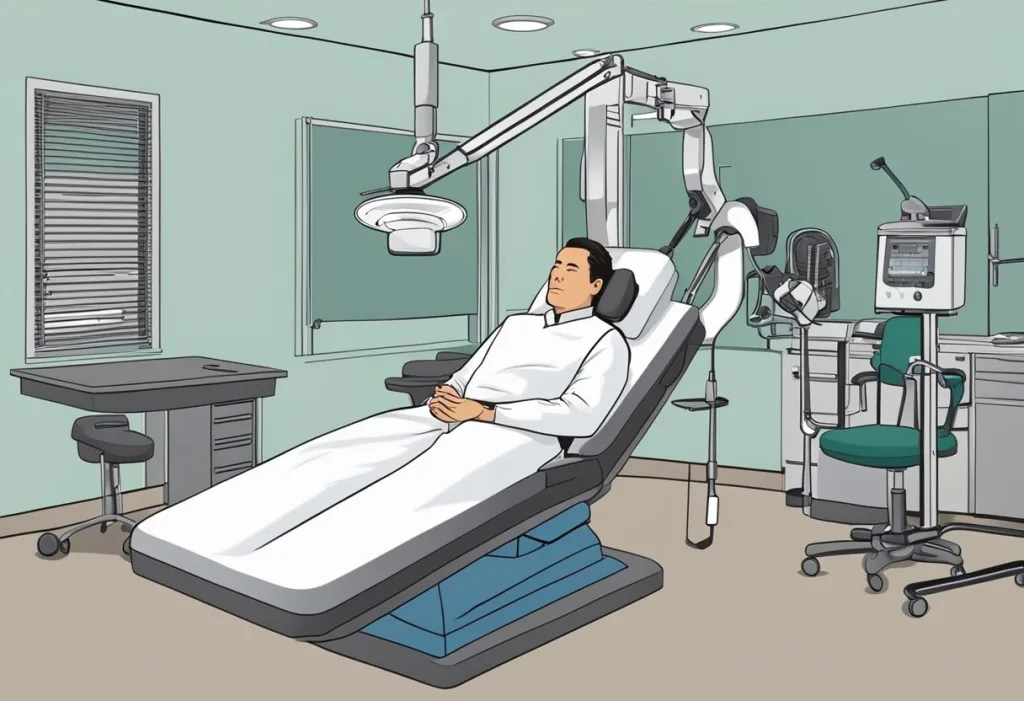
TMS therapy, also known as Transcranial Magnetic Stimulation, is a non-invasive treatment option for individuals with depression who have not found relief from medication or therapy. This treatment involves using magnetic fields to stimulate nerve cells in the brain, specifically in the prefrontal cortex, which is responsible for mood regulation.
During a TMS session, the patient sits in a chair while a device is placed on their head. The device delivers magnetic pulses to the brain, which are thought to increase the activity of neurons in the prefrontal cortex. The treatment typically lasts for 20-30 minutes and is administered daily for several weeks. TMS therapy has been approved by the FDA since 2008 and has been shown to be effective in multiple clinical studies.
While TMS therapy is generally considered safe, it is important to note that it may not be suitable for everyone. Individuals with certain medical conditions, such as epilepsy or a history of seizures, may not be eligible for this treatment. Additionally, TMS therapy may cause mild side effects such as headaches or scalp discomfort. Overall, TMS therapy is a promising treatment option for those struggling with depression and seeking an alternative to traditional medication or therapy.
Understanding TMS Therapy
Mechanism of Action
Transcranial Magnetic Stimulation (TMS) Therapy is a non-invasive procedure that uses magnetic fields to stimulate nerve cells in the brain. The therapy works by using a coil placed on the scalp to generate magnetic pulses that pass through the skull and into the brain. These magnetic pulses stimulate the nerve cells in the brain, which can help regulate mood and reduce symptoms of depression.
Types of TMS
There are two types of TMS therapy: repetitive TMS (rTMS) and deep TMS (dTMS). rTMS involves delivering rapid magnetic pulses to the brain, while dTMS involves delivering magnetic pulses at a deeper level in the brain. Both types of TMS therapy have been shown to be effective in treating depression.
Eligibility Criteria for Patients
TMS therapy is typically used for patients who have not responded to traditional treatments for depression, such as medication or psychotherapy. Patients who are eligible for TMS therapy must also meet certain criteria, including:
- Being diagnosed with major depressive disorder
- Being at least 18 years old
- Having tried and failed to respond to at least one antidepressant medication
- Not having any metal implants or devices in the head, such as pacemakers or cochlear implants
Overall, TMS therapy is a safe and effective treatment for depression that has helped many patients improve their mood and quality of life.
TMS Therapy Procedure
Preparation for TMS
Before starting TMS therapy, the patient will undergo a thorough evaluation to determine if they are a good candidate for the treatment. The evaluation will include a medical history review, physical exam, and a psychiatric assessment. The patient should inform their doctor of any medications they are taking, as some medications may interfere with TMS therapy.
The TMS Session
During the TMS session, the patient will sit in a comfortable chair and wear earplugs to protect their hearing from the loud clicking sound produced by the TMS machine. The doctor will place a small coil over the patient’s scalp and turn on the machine. The machine will deliver magnetic pulses to the brain, which will stimulate nerve cells in the targeted area.
The session typically lasts between 20 and 40 minutes, and the patient will be fully awake and alert during the treatment. The patient may feel a tapping sensation on their scalp during the treatment, but it should not be painful.
Post-Treatment Considerations
After the TMS session, the patient can resume their normal activities immediately. However, they may experience some mild side effects, such as headache, scalp discomfort, or muscle twitching. These side effects usually go away within a few hours.
The patient will typically undergo TMS therapy five days a week for four to six weeks. The number of treatments may vary depending on the patient’s condition and response to the treatment. The doctor will monitor the patient’s progress throughout the treatment and adjust the treatment plan as necessary.
In conclusion, TMS therapy is a safe and effective treatment for depression and other mental health conditions. With proper preparation, a comfortable TMS session, and post-treatment considerations, patients can experience significant improvements in their symptoms and quality of life.
