Unravelling the Pit Bull Cap: Understanding a Disputable Breed’s Generalization
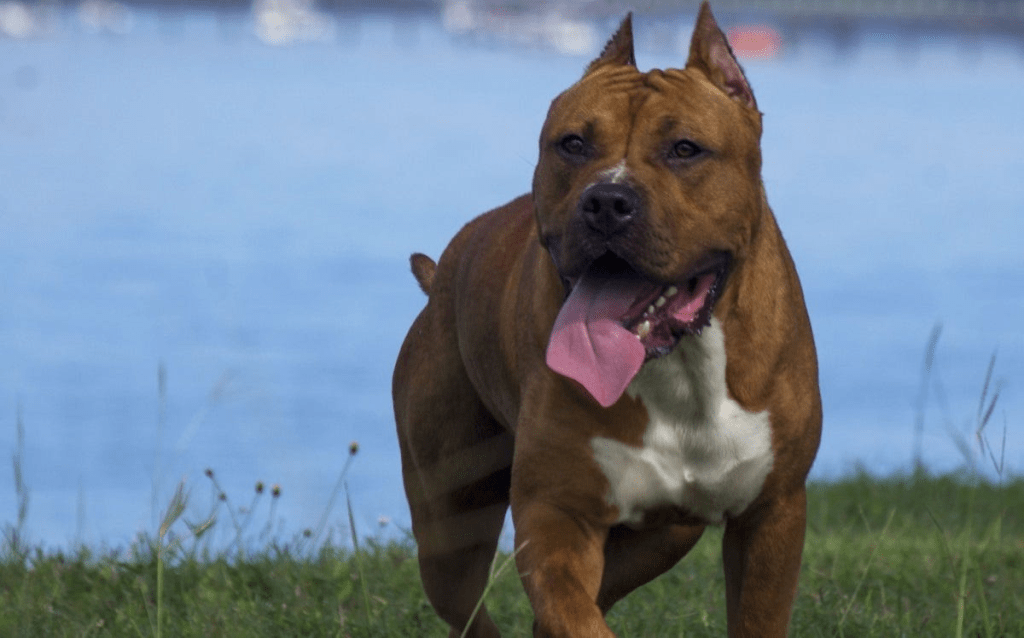
Presentation:
The term “pit bull” frequently brings out solid responses, with misguided judgments and generalizations encompassing this breed predominant in open talk. One such generalization is the idea of a “pit bull cap,” recommending that these mutts have an characteristic inclination to hostility. In this article, we point to dismember the pit bull cap generalization, analysing its roots, the reality of pit bull behaviour, and the broader suggestions for these misconstrued canines.
Characterizing the “Pit Bull”:
The term “pit bull” isn’t a single breed but or maybe a category including a few breeds, counting the American Pit Bull Terrier, American Staffordshire Terrier, and Staffordshire Bull Terrier. Misidentification and generalization contribute to the overarching generalization, as numerous pooches with comparative physical characteristics are wrongly labelled as pit bulls.
Roots of the Generalization:
Generally, pit bulls were bred for different purposes, counting bull-baiting and afterward as farm dogs. Shockingly, within the early 20th century, they picked up reputation in dogfighting rings. These negative affiliations, coupled with media sentimentality, fuelled the misguided judgment that pit bulls are inalienably forceful or perilous.
Disposition and Behaviour:
Opposite to the generalization, well-socialized and legitimately prepared pit bulls show inviting, tender, and faithful behaviour. The American Personality Test Society, which surveys the personality of diverse canine breeds, reports that pit bulls frequently score comparably to or indeed way better than other prevalent breeds. The key to understanding their behaviour lies in dependable possession, preparing, and socialization.
The Part of Media:
Media representation has played a noteworthy part in propagating the pit bull cap generalization. Sensationalized stories of canine assaults frequently centre on the breed, dismissing other pertinent components such as the owner’s obligation, preparing, and the dog’s person history. This skewed depiction contributes to a open recognition that unreasonably stigmatizes pit bulls.
Enactment and Breed-Specific Bans:
The pit bull cap generalization has driven to breed-specific enactment (BSL) in different areas, with a few districts forcing bans or confinements on owning pit bulls. Be that as it may, specialists contend that such enactment is incapable and counterproductive. BSL ignores the significance of responsible possession and strengthens negative generalizations instead of tending to the root causes of dog-related episodes.
Canine Misidentification:
The challenge of precisely recognizing pit bulls encourage complicates the issue. Visual recognizable proof based on physical characteristics is famously untrustworthy, and ponders have appeared that indeed experienced experts battle to accurately recognize a dog’s breed based exclusively on appearance. This misidentification contributes to the propagation of generalizations and out of line separation against pit bulls.
Protecting the Notoriety:
In spite of the challenges, numerous organizations and advocates are working resolutely to disperse the pit bull cap generalization. Protect bunches, covers, and dependable breeders emphasize the significance of person disposition evaluations, legitimate preparing, and dependable proprietorship. These endeavours point to exhibit the adoring and delicate nature of pit bulls, challenging the winning misguided judgments.
Promotion for Mindful Proprietorship:
A essential angle of disassembling the pit bull cap generalizations advancing mindful proprietorship. Instruction on legitimate preparing, socialization, and the significance of spaying/neutering can essentially contribute to making a secure and positive environment for pit bulls and their proprietors.
Positive Pit Bull Stories:
Highlighting positive stories including pit bulls can too be instrumental in changing open discernment. Numerous pit bulls serve as treatment pooches, exceed expectations in submission preparing, and shape adoring bonds with their families. Sharing these stories makes a difference balance the negative generalizations and cultivates a more nuanced understanding of the breed.
Conclusion:
The pit bull cap stereotype is a complex issue profoundly established in chronicled misguided judgments, media emotionalism, and untrustworthy visual recognizable proof. To challenge this generalization, it is vital to recognize the independence of each canine, advance dependable possession, and advocate for instruction and positive representations within the media. By scattering myths and cultivating a more educated point of view, ready to work towards creating a society where pit bulls are judged based on their behaviour and character instead of misinformed previously established inclinations.
